Introduction to Masai Mara
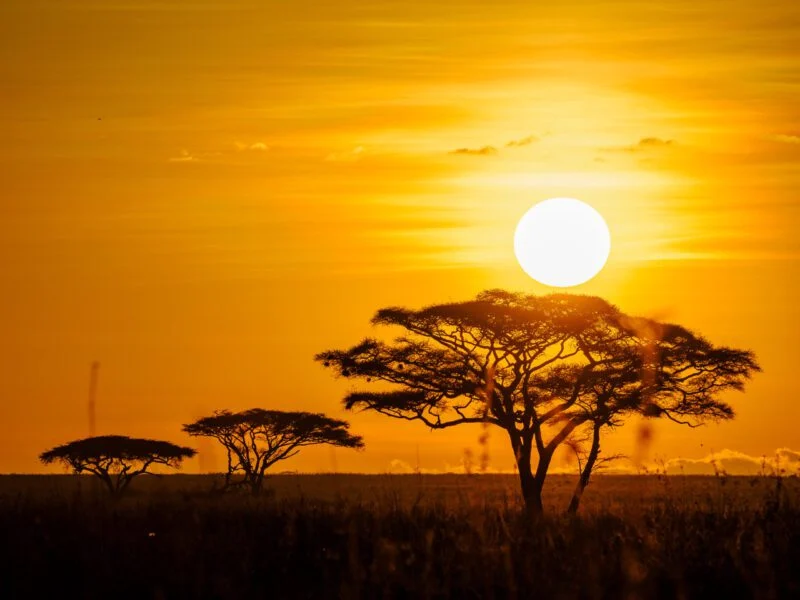
The Masai Mara National Reserve, situated in the southwestern region of Kenya, is renowned as one of the most extraordinary wildlife destinations on the planet. Covering approximately 1,510 square kilometers, it adjoins the Serengeti National Park in Tanzania and is part of the Mara-Serengeti ecosystem, a habitat ideal for a variety of wildlife species. The reserve showcases diverse landscapes, including vast savannahs, rolling hills, and the iconic Mara River, which are critical to supporting large populations of animals.
Masai Mara is famously known for hosting the Great Migration, where millions of wildebeest and zebras traverse the plains in search of fresh grazing grounds. This annual event, occurring from July to October, is a major draw for tourists and wildlife enthusiasts from around the world. Beyond the migration, the reserve is home to the Big Five—lion, leopard, rhinoceros, elephant, and buffalo—alongside numerous other species, making it a prime spot for wildlife photography and game drives.
The significance of the Masai Mara extends beyond its stunning wildlife. It plays a crucial role in wildlife conservation efforts, contributing to the survival of various species through sustained habitat preservation and regulated tourism. The surrounding conservancies are essential for managing the pressures associated with high tourist traffic and provide a sanctuary for wildlife away from the reserve itself. The collaboration between local Maasai communities and conservationists ensures a balance between safeguarding wildlife and promoting sustainable tourism, further emphasizing the importance of these conservancies in maintaining the ecological integrity of the Masai Mara ecosystem.
What are Wildlife Conservancies?
Wildlife conservancies are designated areas that play a crucial role in the protection and management of wildlife habitats and ecosystems. These conservancies are essential for fostering biodiversity and safeguarding species that may be at risk due to habitat loss, human encroachment, or other environmental pressures. Located often at the fringes of national parks and protected wildlife areas, conservancies serve as vital buffers that separate wildlife populations from adjacent human activities.
The primary purpose of wildlife conservancies is conservation; they provide a sanctuary where various species can thrive in a relatively undisturbed environment. In regions like the Masai Mara National Reserve, these conservancies are instrumental in promoting sustainable land use practices that harmonize the needs of wildlife with those of local communities. By involving local populations in conservation efforts, these initiatives foster a sense of ownership and responsibility towards protecting their natural resources.
Moreover, wildlife conservancies offer numerous benefits, not only for wildlife but also for local human settlements. They create opportunities for ecotourism, which can be a significant economic driver for communities living near conserved areas. By attracting visitors eager to view and experience wildlife in their natural habitat, conservancies help generate revenue that can be reinvested into local communities and conservation efforts. This symbiotic relationship between conservation and community well-being promotes a sustainable framework that can lead to long-term ecological health.
In conclusion, wildlife conservancies represent more than just protected spaces for animals; they are integral components of broader conservation strategies that prioritize both wildlife preservation and the livelihoods of local communities. Their role in creating a balance between ecological integrity and human activity is vital for the future of biodiversity in regions like the Masai Mara.
Top Wildlife Conservancies in Masai Mara
The Masai Mara National Reserve, renowned for its incredible biodiversity, is also home to several wildlife conservancies that enhance conservation efforts while providing visitors with unique experiences. Among these, Olare Motorogi and Naboisho stand out as top choices for wildlife enthusiasts.
Olare Motorogi Conservancy is recognized for its commitment to sustainable tourism and wildlife conservation. Covering approximately 13,500 acres, this conservancy offers visitors an intimate wildlife experience away from the more crowded areas of the national reserve. It is part of an important wildlife corridor that supports a variety of species, including the Big Five: lions, elephants, buffaloes, leopards, and rhinoceroses. Additionally, the conservancy emphasizes community involvement, ensuring that local Masai communities benefit from eco-tourism through job creation and education programs.
Naboisho Conservancy, a recently established area, is characterized by its diverse landscapes and wildlife-rich environment. Spanning over 50,000 acres, it provides safe habitats for numerous animals, including cheetahs, giraffes, and wildebeests. Naboisho is particularly known for its innovative approach to conservation, as it collaborates closely with community members to enhance wildlife protection while promoting responsible tourism. Visitors here have the opportunity to engage in walking safaris and night game drives—activities that allow for a deeper connection with nature.
Another notable conservancy is the Mara North Conservancy, which consists of 74,000 acres set aside exclusively for wildlife conservation. This area fosters habitat preservation and supports various species that roam freely. Visitors can enjoy guided game drives, cultural exchanges with local tribes, and the sight of breathtaking landscapes. Each conservancy in the Masai Mara plays a crucial role in promoting sustainable wildlife tourism, making them essential destinations for conservation-minded travelers.
Unique Wildlife Experiences Offered
The wildlife conservancies in and around the Masai Mara National Reserve provide visitors with a distinctive array of wildlife experiences that often surpass those found within the reserve itself. One of the hallmark activities is the exhilarating game drive. Unlike in the main reserve, conservancy game drives allow for more flexibility in terms of routes and timing. This often translates to fewer vehicles, allowing for a more intimate and serene wildlife viewing experience. Enthusiasts can expect to see the iconic Big Five, along with myriad other species such as cheetahs, hippos, and a wide variety of birdlife.
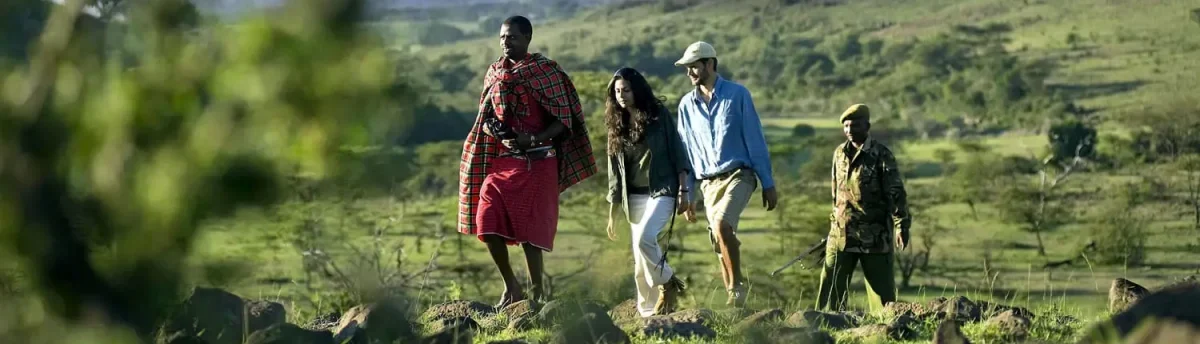
In addition to game drives, many conservancies offer walking safaris, an activity that garners significant attention from nature lovers. These walks provide a unique opportunity to explore the intricate details of the ecosystem. Guided by knowledgeable rangers, participants learn about animal tracks, plants, and the broader environment in ways that a vehicle cannot facilitate. This immersive experience fosters a deeper appreciation for the wilderness and enhances knowledge of the flora and fauna.
Cultural interactions form another essential component of the experiences available in these conservancies. Visitors have the opportunity to engage with the local Maasai communities, learning about their traditions, customs, and lifestyle. Activities might include visiting a traditional Maasai village, participating in a dance ceremony, or even taking part in a craft workshop. Such experiences enrich a visitor’s understanding of the symbiotic relationship between the Maasai people and the wildlife that coexists in their land.
Overall, the unique wildlife experiences offered by the conservancies in the Masai Mara create a comprehensive and enriching exploration of both nature and culture. These activities not only benefit the visitors by providing unforgettable memories but also contribute positively to local conservation efforts, ensuring the protection of wildlife for future generations.
Conservation Success Stories
The Masai Mara National Reserve is not only known for its stunning landscapes and iconic wildlife, but also for its remarkable conservation success stories. Over the years, various wildlife conservancies within the reserve have implemented effective strategies that have yielded positive results in species recovery and habitat restoration.
One notable success story is that of the African elephant population. Through collaborative efforts between conservancies and local communities, anti-poaching measures have improved significantly. The establishment of community-led patrols, coupled with the implementation of a compensation scheme for farmers affected by wildlife, has played a crucial role in reducing human-wildlife conflict. As a result, there has been a significant increase in elephant populations, showcasing the effectiveness of these conservation initiatives.
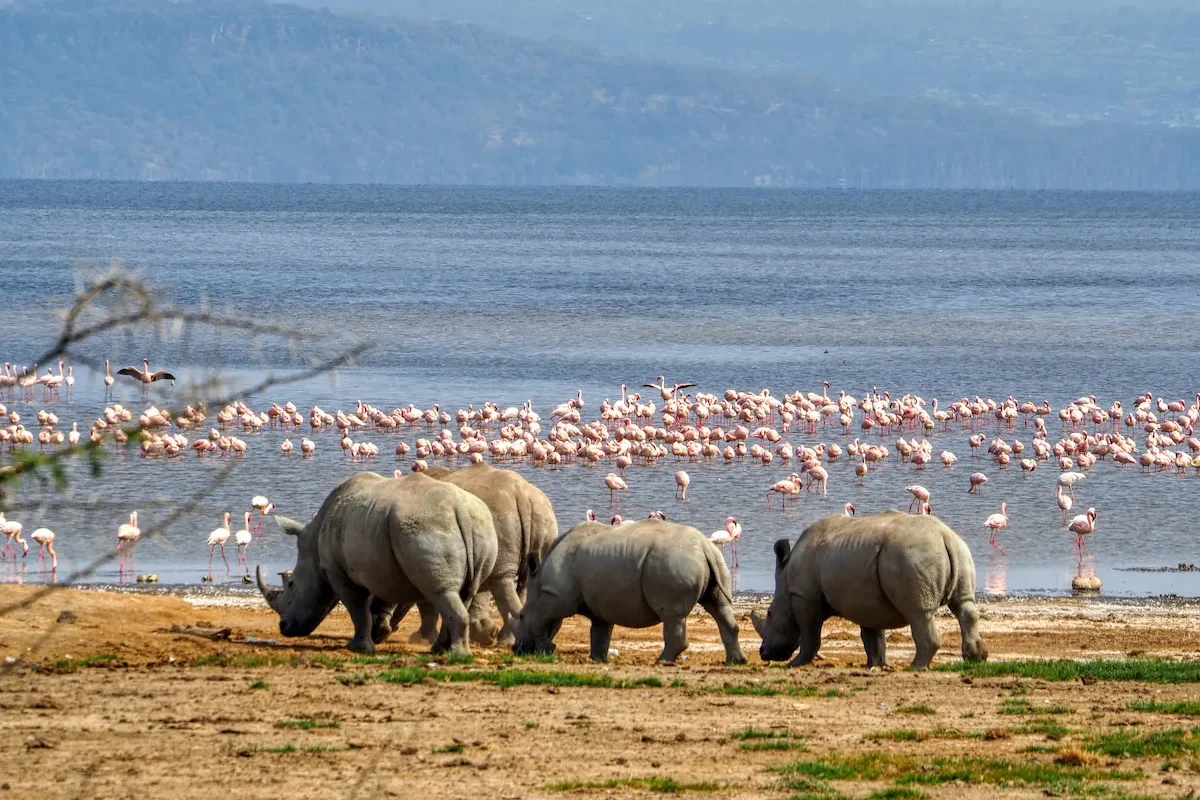
Additionally, the endangered black rhino has benefited from targeted conservation efforts in the Masai Mara. The creation of secure habitats within the conservancies, alongside intensive monitoring, has fostered a safe environment for these majestic creatures. In recent years, there have been successful breeding programs that have led to a gradual increase in the black rhino population, illustrating the commitment to species recovery within the reserve.
Another example is the rich birdlife that thrives in the Masai Mara due to habitat restoration projects. Conservancies have implemented wetland rehabilitation and reforestation initiatives, which have resulted in a resurgence of population numbers among various bird species, including the critically endangered Shoebill stork. By restoring these vital habitats, the conservancies have created sustainable ecosystems that are beneficial to both wildlife and the local community.
These case studies reflect the positive impact of conservation efforts within the Masai Mara National Reserve. By focusing on collaborative strategies, effective habitat management, and community involvement, these conservancies are setting a precedent for successful wildlife conservation that others can emulate in the future.
The Role of Community in Conservation
The relationship between local communities and wildlife conservation in the Masai Mara National Reserve is critical for sustainable environmental stewardship. Community involvement is not only beneficial but essential for the success of conservation efforts. The Maasai people, as the indigenous inhabitants of the region, have a profound knowledge of their land and its ecosystems, which can significantly enhance the efficacy of conservation initiatives.
One of the primary benefits of incorporating local communities into wildlife conservancies is the creation of employment opportunities. Many conservancies have developed programs that provide jobs to local residents, positioning them as active participants in conservation activities rather than passive observers. These employment opportunities often range from roles in eco-tourism, such as tour guides and hospitality staff to positions focused on environmental monitoring and wildlife protection. By engaging the Maasai in these capacities, conservancies not only support livelihoods but also cultivate a sense of ownership and responsibility for the rich biodiversity in their surroundings.
Education is another critical aspect of community involvement in conservation. Many wildlife conservancies prioritize educational outreach, equipping local residents with knowledge about the ecological significance of preserving wildlife habitats. Workshops, seminars, and training sessions are frequently conducted to raise awareness about sustainable practices and the role that communities can play in safeguarding their environments. When community members understand the ecological and economic benefits of wildlife conservation, they are more likely to invest in initiatives that foster sustainable development.
Furthermore, encouraging sustainable agricultural practices is vital in reducing human-wildlife conflict, which often threatens conservation efforts. By introducing techniques that allow for coexistence, conservancies help communities benefit economically while also preserving their ecosystem. This synergy between the Maasai and wildlife conservation creates a robust framework for protecting biodiversity in the Masai Mara National Reserve, ensuring that both wildlife and local populations can thrive simultaneously.
How to Choose a Conservancy for Your Visit
Selecting the right wildlife conservancy in the Masai Mara National Reserve can enhance your overall experience while ensuring responsible tourism practices. There are several essential factors travelers should consider when making their choice.
Firstly, examine the types of accommodations available. Many conservancies offer a diverse range of lodging options, from luxury tented camps to more modest lodges. Your comfort preferences, budget, and the overall experience you seek will play a significant role in determining where you should stay. Additionally, consider the location of the conservancy within the reserve, as proximity to key wildlife areas can impact your chances of sightings.
Wildlife preferences are another critical consideration. Different conservancies may specialize in various types of experiences, such as game drives, guided walking safaris, or birdwatching tours. Research what species you are particularly interested in observing, as some conservancies might offer specialized programs focused on a specific type of wildlife or habitat. This targeted approach will enhance your adventure and fulfillment during your visit.
Another important aspect to consider is the conservancy’s commitment to wildlife conservation. Look for establishments that support local communities and engage in sustainable practices. Many conservancies participate in initiatives to protect endangered species, promote environmental education, and maintain the delicate balance of the ecosystem. Understanding each conservancy’s conservation efforts can help you align your travel experience with your values.
Lastly, explore any special programs or packages the conservancy might offer. Many organizations create unique experiences, such as guided night drives or exclusive access to rarely visited areas of the reserve. Taking advantage of these offerings can significantly enrich your visit and provide insights that standard tours may not cover.
Responsible Tourism in Conservancies
Responsible tourism in wildlife conservancies such as those found in the Masai Mara National Reserve is fundamental to preserving the ecological balance and supporting local communities. By adopting sustainable practices, visitors contribute positively to the environment and help ensure that these unique ecosystems thrive for generations to come.
One of the primary principles of responsible tourism is minimizing one’s ecological footprint. Tourists can engage in practices that reduce their impact by adhering to the guidelines established by the conservancies. For instance, sticking to designated trails while exploring the natural habitat not only protects fragile ecosystems but also minimizes disturbance to wildlife. Disturbing animals for the sake of photography can lead to stress and behavioral changes that are detrimental to their survival.
Moreover, visitors are encouraged to choose eco-friendly accommodations that prioritize sustainability in their operations. These lodges and camps often utilize renewable energy, implement water conservation practices, and support local businesses that promote the welfare of surrounding communities. By staying in such establishments, tourists can enjoy enhanced wildlife experiences while ensuring their stay aligns with responsible tourism principles.
Engaging in wildlife conservancies also provides an excellent opportunity for tourists to participate in conservation activities. Many organizations offer volunteer programs where visitors can work with local guides and conservationists. Such efforts not only enhance the tourists’ experiences but also empower local communities through effective conservation strategies.
In summary, embracing responsible tourism practices is crucial for the sustainability of wildlife conservancies in Masai Mara. By making conscientious choices, tourists can play a vital role in preserving these natural wonders and fostering a shared commitment to wildlife conservation, ensuring that these ecosystems remain intact for future enjoyment.
Conclusion and Call to Action
As we have explored through this blog post, the Masai Mara National Reserve is not only celebrated for its stunning landscapes and diverse wildlife but is also home to several vital wildlife conservancies. These conservancies play a crucial role in protecting the region’s natural heritage while promoting sustainable tourism practices. By supporting these initiatives, we directly contribute to the survival of various species and the preservation of their habitats.
Engaging with wildlife conservancies allows visitors to experience the richness of the ecosystem in a responsible manner. From guided safaris that educate travelers about the importance of conservation efforts to immersive experiences with local communities, each interaction helps raise funds crucial for ongoing preservation work. Furthermore, as tourism continues to fluctuate, the support for these facilities becomes increasingly necessary to ensure that wildlife conservation efforts remain robust.
We urge readers to consider planning their next adventure to the Masai Mara National Reserve, specifically focusing on immersing themselves in the conservancies. This not only provides a unique opportunity to observe magnificent wildlife up close, such as elephants, lions, and cheetahs, but also fosters a deeper understanding of the challenges these animals face. By visiting and actively participating in the initiatives hosted by these conservancies, tourists can help advocate for sustainable practices that benefit both wildlife and the local communities.
In conclusion, every action counts in the fight for wildlife conservation. Whether through educational visits, donations, or advocacy, individuals can help ensure that future generations inherit a world where wildlife thrives alongside humanity. Let us champion the cause of wildlife conservancies in Masai Mara and contribute to a sustainable future.