Introduction to Lake Nakuru National Park
Lake Nakuru National Park, located in the Rift Valley of Kenya, covers an area of approximately 188 square kilometers. It is situated about 156 kilometers northwest of Nairobi and is easily accessible by road. The park is renowned for its stunning landscapes and diverse wildlife, attracting thousands of tourists each year. Designated as a UNESCO World Heritage Site in 2011, Lake Nakuru is recognized for its ecological significance as well as its unique natural features.
One of the most notable characteristics of Lake Nakuru National Park is its namesake lake, which is often home to vast flocks of flamingos and other migratory birds. The park’s ecosystem is incredibly diverse, encompassing various habitats that include lakes and wetlands, savannah, and woodlands. This wide range of environments supports a rich variety of flora and fauna. Aside from its avian inhabitants, the park is known for housing both black and white rhinos, lions, giraffes, and numerous other species, making it a prime destination for wildlife enthusiasts.
Lake Nakuru also plays a crucial role in conservation efforts, particularly in protecting endangered species and their habitats. The park serves as a critical sanctuary for wildlife preservation, focusing on the rehabilitation of threatened species through various conservation programs. The integration of conservation and tourism ensures that visitors can appreciate the breathtaking beauty of the park while also contributing to the ongoing efforts to protect its natural resources. Overall, Lake Nakuru National Park represents a significant site for both ecological balance and tourism, making it a must-visit destination in Kenya.
Wildlife Spotting: A Nature Lover’s Paradise
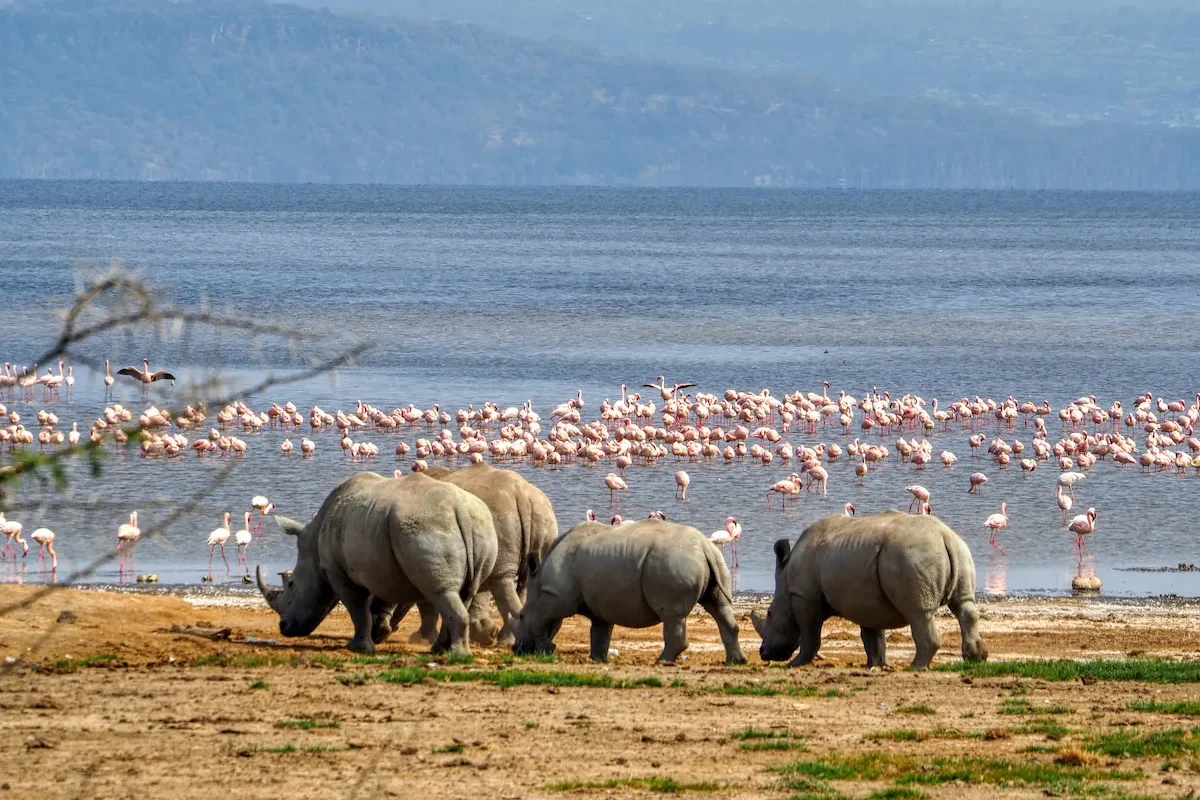
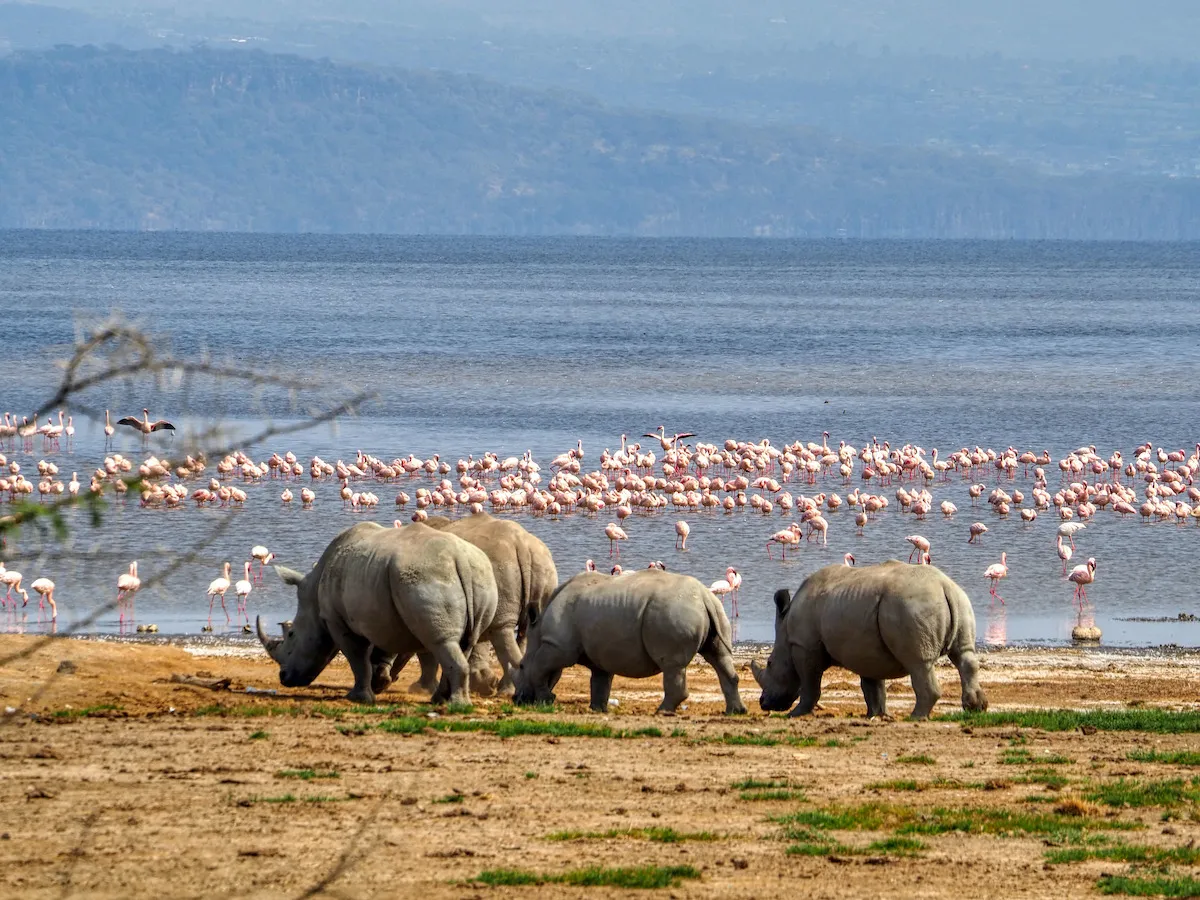
Lake Nakuru National Park offers an exceptional opportunity for wildlife enthusiasts to witness a stunning array of species in their natural habitat. One of the park’s most iconic features is the vibrant pink flamingos, which gather in the shallow waters of Lake Nakuru, creating a mesmerizing spectacle. These wetland birds are known for their striking coloration, and visitors flock to see them during the months of June to September, when conditions are optimal for spotting not just flamingos, but a variety of other bird species as well.
In addition to its avian inhabitants, the park is home to numerous mammals, including both black and white rhinos, which are critically endangered and protected within the park’s boundaries. The best chance of spotting these majestic creatures is along the main road that encircles the lake, particularly in the early morning or late afternoon when they are most active. The sight of rhinos grazing against the backdrop of stunning landscapes is an experience that captivates many visitors.
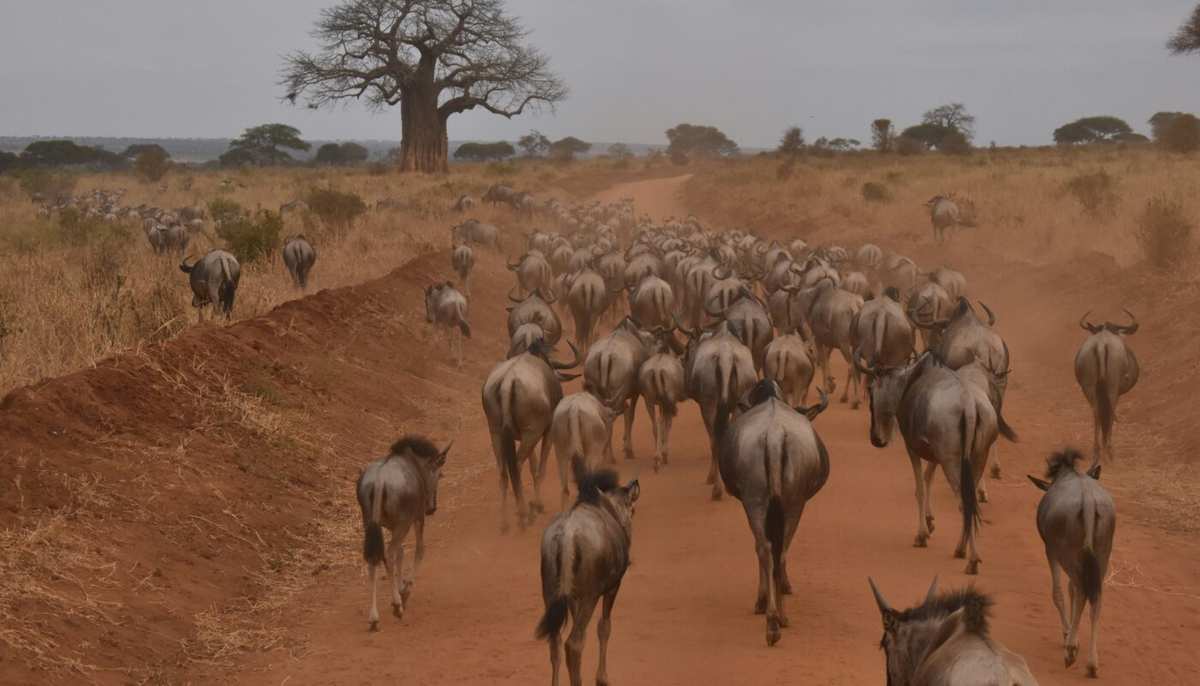
The park also hosts a variety of antelope species including the Thomson’s gazelle, impala, and the rare Rothschild giraffe. These animals can often be seen in the park’s lush grasslands, offering countless photographic opportunities for nature lovers. The varied terrain—from grasslands to acacia forests—provides ideal conditions for wildlife viewing.
Moreover, Lake Nakuru National Park plays a vital role in wildlife conservation efforts. Various initiatives are in place to protect the endangered species and their habitats, making the park not only a beautiful destination but also a critical sanctuary for wildlife. Visitors contribute to these conservation efforts through park fees, which support ongoing sustainability programs. Thus, wildlife spotting in Lake Nakuru National Park is not only an adventure but also a significant contribution to preserving the rich biodiversity of the region.
Birdwatching Opportunities
Lake Nakuru National Park is renowned for its diverse avifauna, making it a prime destination for birdwatching enthusiasts. This park is home to over 450 bird species, offering exciting opportunities for both seasoned birdwatchers and amateurs. With such a rich variety of birds, visitors to Lake Nakuru can embark on a memorable journey through its landscapes, every sighting contributing to the overall experience of the park.
One of the most iconic species often associated with the park is the lesser flamingo. These remarkable birds can be seen congregating in large numbers along the shorelines, creating a spectacular sight. Other notable species include the African fish eagle, white-bellied go-away-bird, and the magnificent grey crowned crane. The park also provides sightings of various raptors, oxpeckers, and numerous types of waterfowl, making it a haven for bird lovers.
For those embarking on a birdwatching adventure in Lake Nakuru, there are several tips to enhance the experience. Firstly, early mornings and late afternoons are generally the best times for spotting birds, as they are most active during these hours. Bringing binoculars and a field guide can greatly assist in identifying the different species. Additionally, patience is key; remaining still and calm often yields the most rewarding sightings.
When considering the best spots within Lake Nakuru National Park, several areas stand out. The shores of the lake provide ample opportunities to view flamingos and other waders. The park’s diverse habitats, ranging from woodland to savanna, also allow birdwatchers to explore various ecosystems. Locations such as Baboon Cliff offer panoramic views and excellent vantage points, making them ideal for observing the park’s avifauna.
In summary, Lake Nakuru National Park serves as a premier birdwatching destination, rich with diverse species and enchanting landscapes. By planning strategically and utilizing the tips provided, visitors can fully immerse themselves in the avian wonders that the park has to offer.
Scenic Hikes and Trails
Lake Nakuru National Park, known for its stunning landscapes and diverse wildlife, offers several hiking trails that suit various fitness levels and preferences. Exploring these scenic trails not only provides a chance to engage with nature but also presents unique opportunities for stunning photographs and wildlife encounters.
The Birdview Trail is an excellent choice for beginners. This 3-kilometer trail is relatively flat and takes approximately one hour to complete. As the name suggests, it provides ample opportunities to observe the park’s renowned birdlife, including flamingos and other avian species. Hikers can enjoy panoramic views of the lake and surrounding flora, making it an ideal spot for nature enthusiasts.
For those seeking a more challenging experience, the Nakuru Hills Trail is recommended. Spanning about 10 kilometers, this trail takes approximately three to four hours to complete, depending on individual fitness levels. The hike ascends to a higher elevation, where visitors can enjoy breathtaking views of Lake Nakuru and the nearby cliffs. Along the way, hikers might encounter various wildlife species, including buffalos, giraffes, and the occasional leopard, adding an element of excitement to the journey.
Furthermore, the Chui Loop offers a balance of challenge and scenery, with a length of roughly 8 kilometers. It takes around two to three hours to hike and is suitable for moderate-level trekkers. This trail winds through wooded areas and grasslands, increasing the chances of spotting animals in their natural habitats. The stunning viewpoints along the loop make it a favorite for both photography enthusiasts and nature lovers.
In conclusion, Lake Nakuru National Park’s hiking trails cater to a wide range of skill levels, showcasing the park’s remarkable landscapes and wildlife. Whether one opts for an easy stroll or a more demanding trek, the experiences encountered along these scenic paths are sure to be unforgettable.
A Photo Safari: Capturing the Beauty
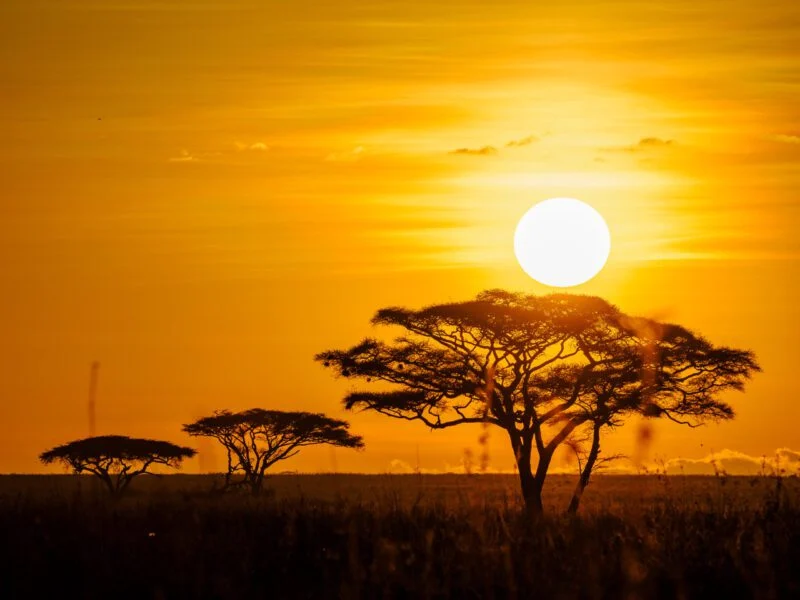
Lake Nakuru National Park is renowned for its breathtaking landscapes and diverse wildlife, offering photographers an unparalleled opportunity to capture unforgettable moments. A photo safari in this stunning park can yield mesmerizing images of not only the famed flamingos but also the various species of birds, mammals, and unique flora that inhabit the area. To fully leverage the photographic potential of Lake Nakuru, it is crucial to consider the timing of your visit.
The best times for a photo safari are during the early morning and late afternoon when the lighting is soft and ideal for photography. This golden hour enhances the colors of the landscape and wildlife, helping photographers achieve striking images with depth and vibrancy. Additionally, early morning is often when wildlife is most active, providing numerous chances to capture animals in their natural behaviors.
When preparing for a photo safari, it is essential to have the right gear. A DSLR or mirrorless camera paired with a versatile zoom lens, ideally ranging from 18mm to 300mm, allows you to photograph both landscapes and distant wildlife effectively. A good tripod can also assist with stability for capturing long exposure shots, particularly during dawn or dusk. Don’t forget to pack extra batteries and memory cards, as you will want to seize every opportunity for capturing incredible moments.
Scenic spots within the park offer stunning backdrops for photography. The elevated viewpoints around the lake present panoramic views of the flamingos and other waterfowl, while the acacia woodlands feature unique compositions of wildlife amidst striking trees. Exploring the park’s diverse ecosystems, including the wetlands and savannah, will provide a rich tapestry of images showcasing the vibrant life that resides within this national treasure.
Cultural Experiences and Community Interaction
Lake Nakuru National Park is not only known for its breathtaking landscapes and abundant wildlife but also for its rich cultural experiences and community interactions that enhance the visitor experience. The proximity of the park to local communities offers unique opportunities for tourists to engage with the indigenous people, learn about their customs, and participate in community-driven initiatives.
One notable initiative is the promotion of local crafts, where artisans showcase their skills in traditional beadwork, pottery, and weaving. Visitors are encouraged to purchase these handcrafted items, providing financial support to the artists and helping preserve ancient techniques. These interactions allow travelers to appreciate the deep-seated cultural heritage of the region and understand the significance of these crafts in their day-to-day lives.
Moreover, guided cultural tours are organized to facilitate deeper connections between visitors and the Kalenjin and Maasai communities residing around Lake Nakuru. These tours often include visits to local homesteads, where tourists can partake in traditional meals, witness cultural performances, and even try their hand at crafting. Such experiences foster mutual respect and understanding between different cultures, highlighting the importance of community involvement in tourism.
Additionally, several partnership programs exist that aim to integrate local populations into the tourism industry. By engaging communities in guiding, running lodges, and organizing events, these initiatives empower residents economically and socially. As a result, tourists benefit from authentic experiences while contributing to the sustainable development of these communities.
In conclusion, Lake Nakuru National Park stands out not just for its wildlife but for the cultural richness offered by nearby communities. Engaging in these cultural experiences not only enriches the visitor’s journey but also bolsters the local economy and promotes cultural preservation.
Camping and Accommodation Options
Lake Nakuru National Park offers a variety of accommodation options suitable for all visitors, ranging from budget-friendly campsites to luxurious lodges. This diversity allows guests to choose an experience that aligns with their preferences and budget, ensuring an unforgettable stay amidst the park’s stunning landscapes.
For those looking to immerse themselves in nature, the various campsites within the park provide an authentic camping experience. These campsites usually offer basic amenities, including communal bathrooms and cooking facilities, allowing visitors to fully appreciate the natural surroundings. Some popular camping areas, such as the Lions Hill and Flamingo Hill, are strategically located to offer breathtaking views of the lake and wildlife. Reservations for these campsites can be made online or through park management, and it is advisable to book in advance, especially during peak tourist seasons.
On the other end of the spectrum, visitors seeking comfort may opt for lodges and hotels located both inside and near the park. Accommodations such as the Lake Nakuru Lodge and Sarova Lion Hill Game Lodge provide well-appointed rooms, dining facilities, and guided safari tours. These establishments blend luxury with the natural beauty of the area, making them ideal for families or travelers looking for a more comfortable stay. Many of these lodges also emphasize eco-friendly practices, contributing to the park’s conservation efforts.
It is important to consider factors such as proximity to park attractions, available amenities, and price when selecting accommodation. Potential visitors should also explore reviews and recommendations to determine the best fit for their experience. As this region attracts numerous tourists each year, securing reservations in advance will help ensure ideal accommodations for a memorable trip to Lake Nakuru National Park.
Best Times to Visit and Essential Tips
When planning a visit to Lake Nakuru National Park, understanding the optimal times for wildlife viewing and weather conditions is crucial. Generally, the best time to visit is during the dry season, which spans from June to October. This period is characterized by less rainfall, making the roads more accessible and the animals more active as they congregate around water sources. Particularly, September and October are exceptional months for spotting migratory birds, making it a must-visit for birdwatchers.
Alternatively, visiting during the rainy season, from November to May, offers its own unique advantages. The lush landscapes during this time provide a stunning backdrop for photography, and the wildlife is often more dispersed, allowing for more exploratory experiences. However, one should be prepared for occasional heavy rainfall and muddy conditions.
In addition to timing your visit, packing appropriately is essential for a comfortable experience. Lightweight clothing, suitable for both warm days and cooler nights, is recommended. Binoculars and a good camera are indispensable tools for capturing the stunning scenery and diverse wildlife. Always include a first-aid kit and sufficient water to ensure your health and hydration during excursions.
Safety precautions cannot be overlooked when visiting Lake Nakuru National Park. It is prudent to stay within designated areas and adhere to guidelines provided by park rangers. Wildlife can be unpredictable, and maintaining a safe distance is critical. Before entering the park, familiarize yourself with the regulations, particularly those pertaining to interaction with animals and disposal of waste. Such measures not only enhance your safety but also help preserve the park’s natural beauty.
In conclusion, planning your visit to Lake Nakuru National Park with consideration for the best times and essential preparatory tips can significantly enhance your experience. From experiencing the remarkable wildlife migrations to ensuring personal safety, being well-prepared allows you to enjoy all that this natural haven has to offer.
Conclusion: Embrace the Wonders of Lake Nakuru
Lake Nakuru National Park is a haven for visitors seeking extraordinary experiences in wildlife and natural beauty. This stunning park not only boasts breathtaking landscapes but also teems with a rich diversity of flora and fauna, making it a prime location for photography, bird watching, and safari adventures. The shimmering waters of Lake Nakuru, often adorned with thousands of flamingos, create a picturesque backdrop that is unforgettable. The unique ecosystem of the park hosts a variety of wildlife, including the endangered Rothschild’s giraffe and white rhinos, which makes each visit a chance to witness nature’s splendor.
Beyond its visual appeal, Lake Nakuru National Park serves as a critical reminder of the importance of conservation. As visitors revel in the wonders of the park, it is paramount to respect the natural resources and habitats that sustain the wildlife and ecosystems. Practicing responsible tourism includes adhering to park regulations, minimizing disturbances to wildlife, and engaging in sustainable activities that foster environmental awareness.
As you plan your visit, carry with you not just a sense of adventure, but also a commitment to preserving the remarkable beauty of Lake Nakuru. Whether it is strolling along scenic trails, exploring the rich avian life, or simply soaking in the majestic views, the experiences at Lake Nakuru National Park are sure to leave an indelible mark on your memory. By prioritizing conservation during your adventures, you contribute positively to the preservation efforts that enable future generations to appreciate this natural wonder.