Nairobi National Park: The Complete 2026 Guide to Kenya’s Iconic Urban Safari
Nairobi National Park is one of the world’s most extraordinary wildlife destinations and the only national park located within the boundaries of a capital city. Situated just 7 kilometers (4 miles) south of Nairobi’s Central Business District, this remarkable protected area offers visitors the rare opportunity to witness Africa’s iconic wildlife roaming freely against the backdrop of a modern city skyline. Established in 1946, Nairobi National Park was Kenya’s first national park and remains one of the country’s most popular tourist attractions, welcoming thousands of local and international visitors every year.
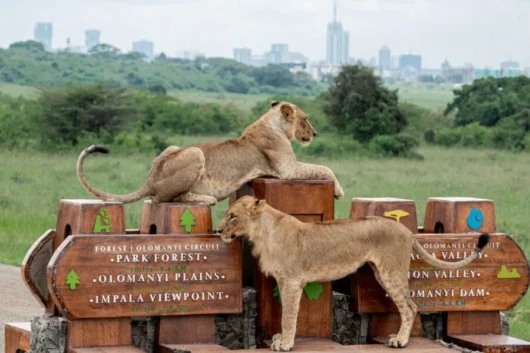

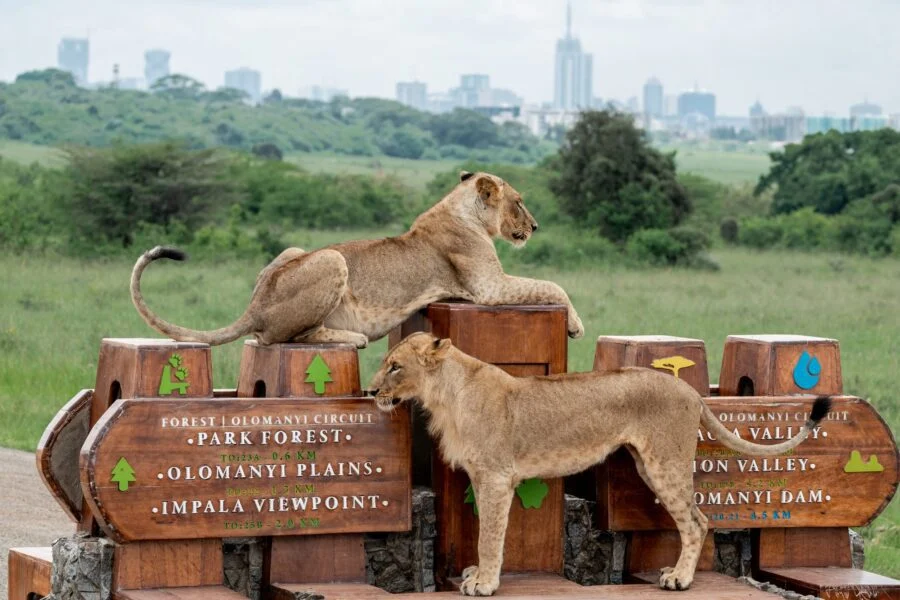
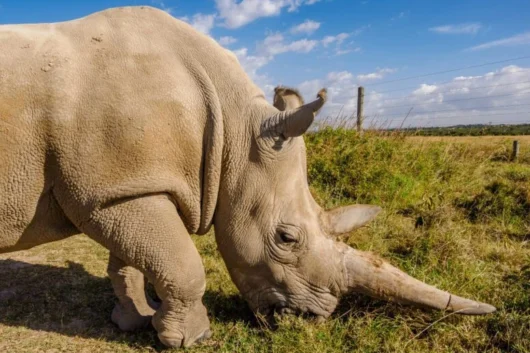
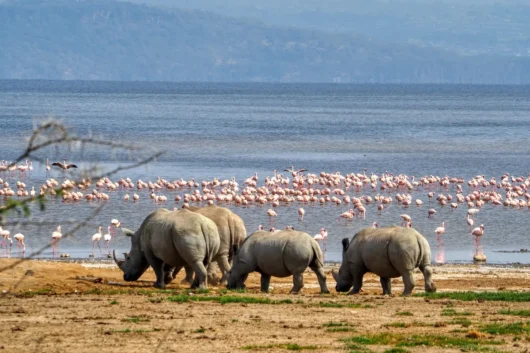
Covering approximately 117 square kilometers (45 square miles), Nairobi National Park is home to an impressive diversity of wildlife despite its proximity to the city. Visitors can encounter lions, leopards, cheetahs, buffaloes, giraffes, zebras, elands, hartebeests, wildebeests, hyenas, hippos, crocodiles, and more than 400 species of birds. The park is particularly renowned for its successful conservation of the endangered black rhinoceros, making it one of the best places in Kenya to observe these magnificent animals in their natural habitat.
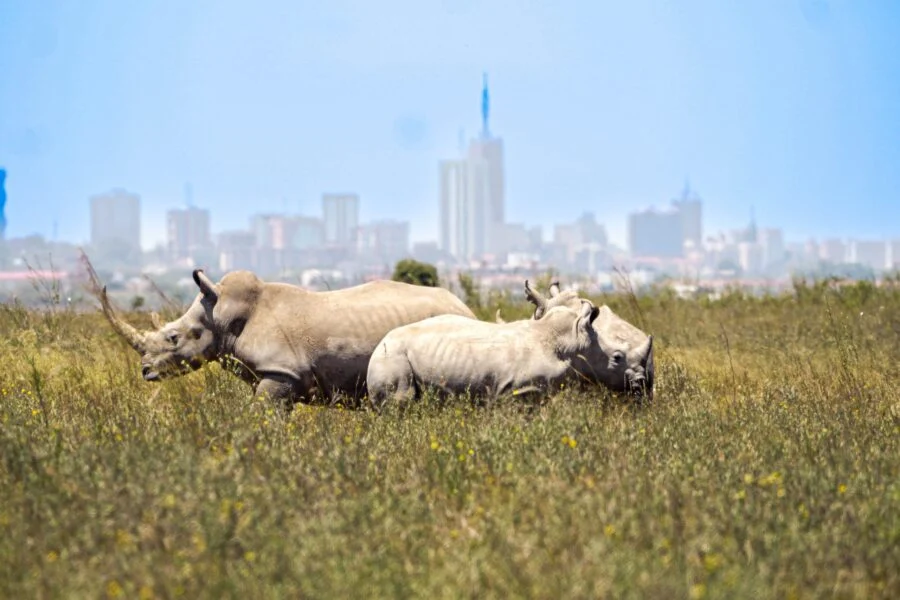
A safari in Nairobi National Park offers an unforgettable experience for travelers with limited time. Unlike many of Kenya’s more remote parks, visitors can enjoy an authentic game drive within minutes of leaving their hotel or landing at Jomo Kenyatta International Airport (JKIA). This convenience makes the park an ideal destination for business travelers, families, photographers, birdwatchers, and anyone wishing to experience the magic of an African safari without traveling long distances.
The park’s varied landscapes include open grass plains, scattered acacia woodlands, riverine forests, rocky valleys, seasonal wetlands, and the picturesque Mbagathi River. These diverse habitats support a rich variety of mammals, reptiles, insects, and birdlife while providing spectacular scenery for wildlife photography throughout the year.
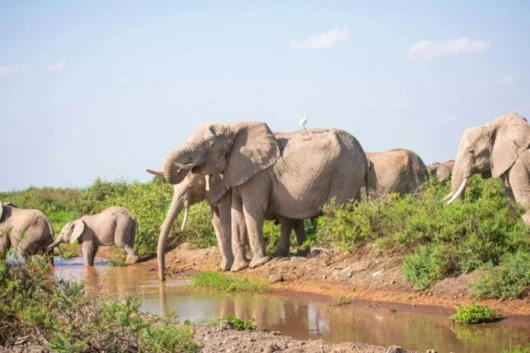
One of Nairobi National Park’s biggest attractions is the opportunity to see four of Africa’s famous Big Five animals. Although elephants are not found within the park due to its relatively small size, visitors regularly spot lions, leopards, buffaloes, and black rhinos during game drives. Cheetahs are also frequently seen hunting across the open plains, while giraffes gracefully browse among acacia trees and numerous antelope species graze peacefully across the savannah.
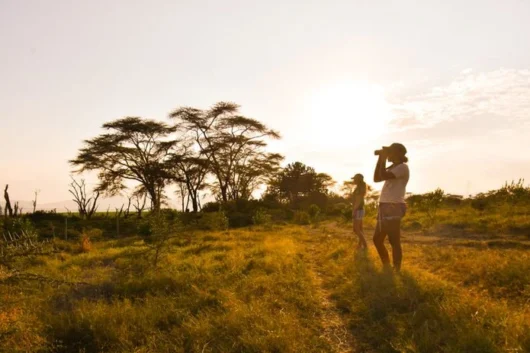
Bird enthusiasts will find Nairobi National Park to be a true paradise. With over 400 recorded bird species, including migratory birds arriving from Europe and Asia, the park is recognized as one of East Africa’s leading birdwatching destinations. Raptors, ostriches, secretary birds, crowned cranes, kingfishers, herons, hornbills, bee-eaters, and numerous waterbirds can all be observed depending on the season.
The park is open throughout the year, although wildlife viewing is generally considered best during the dry seasons from January to March and June to October. During these months, vegetation is less dense and animals congregate around water sources, making them easier to locate. The rainy seasons transform the landscape into lush green grasslands that are equally attractive for photography and birdwatching.
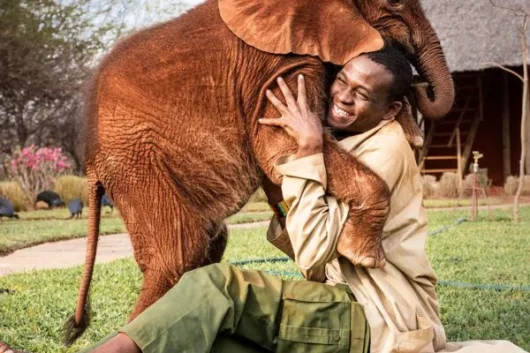
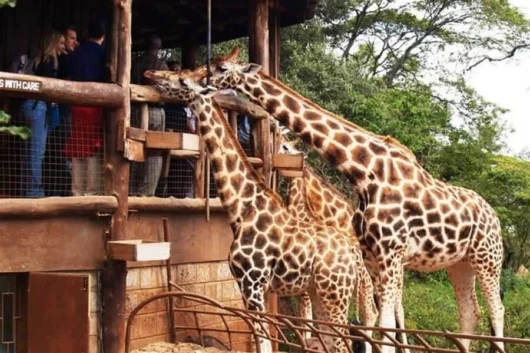
Visitors can choose from a variety of safari experiences, including early morning game drives, afternoon safaris, full-day excursions, private guided tours, photography safaris, educational visits, and birdwatching expeditions. Many tour operators also combine Nairobi National Park with nearby attractions such as the David Sheldrick Elephant Orphanage, the Giraffe Centre, the Karen Blixen Museum, and the Bomas of Kenya to create memorable full-day Nairobi sightseeing itineraries.
Conservation remains at the heart of Nairobi National Park’s mission. Managed by the Kenya Wildlife Service (KWS), the park plays a vital role in protecting endangered wildlife, conducting scientific research, supporting environmental education, and preserving Kenya’s rich biodiversity for future generations. The park also contributes significantly to wildlife conservation through anti-poaching initiatives and habitat management programs.
Whether you’re visiting Kenya for the first time or returning for another safari adventure, Nairobi National Park offers an exceptional wildlife experience unlike anywhere else in the world. Its unique combination of spectacular game viewing, outstanding accessibility, rich biodiversity, and dramatic city skyline makes it one of Africa’s must-visit national parks. From thrilling lion sightings and close encounters with endangered rhinos to unforgettable sunrise game drives and incredible birdwatching opportunities, Nairobi National Park promises an authentic safari adventure that begins just minutes from the heart of Kenya’s bustling capital.
Nairobi National Park Frequently Asked Questions (FAQs)
1. Where is Nairobi National Park located?
Nairobi National Park is located about 7 km (4 miles) south of Nairobi’s Central Business District, making it the only national park in the world situated next to a capital city.
2. What animals can I see in Nairobi National Park?
The park is home to lions, leopards, cheetahs, black rhinos, buffaloes, giraffes, zebras, wildebeests, hyenas, hippos, crocodiles, numerous antelope species, and over 400 species of birds.
3. Can I see the Big Five in Nairobi National Park?
You can see four of the Big Five—lion, leopard, buffalo, and black rhino. Elephants are not found in the park.
4. What is the best time to visit Nairobi National Park?
The dry seasons (January–March and June–October) are generally best for wildlife viewing, while the rainy seasons offer lush scenery and excellent birdwatching.
5. How long does a game drive take?
Most game drives last 3–4 hours, though half-day and full-day safaris are also popular.
6. Is Nairobi National Park worth visiting?
Yes. It’s one of Kenya’s top attractions, offering an authentic safari experience just minutes from the city and airport.
7. How far is Nairobi National Park from JKIA?
The park is approximately 15–20 km (9–12 miles) from Jomo Kenyatta International Airport, depending on the entrance gate and traffic conditions.
8. What are the opening hours?
The park is typically open daily from 6:00 AM to 6:00 PM, though it’s advisable to confirm current operating hours before visiting.
9. Can I visit Nairobi National Park on a day trip?
Absolutely. Many visitors enjoy a half-day or full-day safari, often combined with nearby attractions such as the Giraffe Centre and the David Sheldrick Wildlife Trust Elephant Orphanage.
10. What should I bring for a safari?
Wear comfortable clothing in neutral colors, bring a camera, binoculars, sunscreen, a hat, sunglasses, insect repellent, reusable water, and your identification for park entry.
11. Is Nairobi National Park suitable for children?
Yes. Families often enjoy game drives, educational experiences, and wildlife photography. Young children should always remain inside the safari vehicle.
12. Do I need to book in advance?
Advance booking is recommended, especially during weekends, public holidays, and peak tourist seasons, to ensure availability for guided tours and park entry.
Day Excursions & Best things to do in Nairobi with Adeli Kenya Safaris
Showing all 22 results
-
Amboseli Kenya safaris
Amboseli National Park Safari Full-Day Trip from Nairobi
Tour Price from Original price was: $340.00.$220.00Current price is: $220.00. -
Nairobi Day Excursions | Best Things to Do in Nairobi, Kenya
Nairobi National Park Half-Day Excursion Tour
Tour Price from Original price was: $200.00.$125.00Current price is: $125.00. -
Nairobi Day Excursions | Best Things to Do in Nairobi, Kenya
Nairobi National Park & City Full-Day Excursion Tour with Adeli Kenya Safaris
Tour Price from Original price was: $280.00.$215.00Current price is: $215.00. -
Nairobi Day Excursions | Best Things to Do in Nairobi, Kenya
Into Africa Nairobi full day excursion tour with Adeli Kenya Safaris
Tour Price from Original price was: $280.00.$210.00Current price is: $210.00. -
Nairobi Day Excursions | Best Things to Do in Nairobi, Kenya
Lake Naivasha, Crescent Island & Hell’s Gate Park Full day Safari tour from Nairobi
Tour Price from Original price was: $405.00.$305.00Current price is: $305.00. -
Nairobi Day Excursions | Best Things to Do in Nairobi, Kenya
Ol Pejeta Conservancy Big 5 Full-Day Safari from Nairobi
Tour Price from Original price was: $370.00.$250.00Current price is: $250.00. -
Nairobi Day Excursions | Best Things to Do in Nairobi, Kenya
Lake Nakuru, Lake Naivasha & Crescent Island Great Lakes Full-Day Safari from Nairobi
Tour Price from Original price was: $405.00.$285.00Current price is: $285.00. -
Nairobi Day Excursions | Best Things to Do in Nairobi, Kenya
David Sheldrick Elephant Orphanage & Giraffe Centre half day Nairobi city excursion
Tour Price from Original price was: $225.00.$165.00Current price is: $165.00. -
Nairobi Day Excursions | Best Things to Do in Nairobi, Kenya
Nairobi City Tour safari
Tour Price from $0.00 -
Nairobi Day Excursions | Best Things to Do in Nairobi, Kenya
Carnivore Restaurant Lunch Nairobi Excursion: Beast of a Feast experience
Tour Price from $0.00 -
Nairobi Day Excursions | Best Things to Do in Nairobi, Kenya
Carnivore Restaurant Dinner Nairobi Excursion: Beast of Beast experience
Tour Price from $0.00 -
Nairobi Day Excursions | Best Things to Do in Nairobi, Kenya
Kiambethu Tea Farm Nairobi City Excursion Tour
Tour Price from $0.00 -
Nairobi Day Excursions | Best Things to Do in Nairobi, Kenya
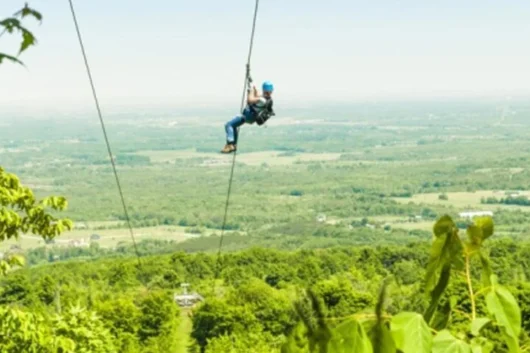
Kereita Forest Zip Lining, Hiking & Waterfall Tour from Nairobi
Tour Price from $0.00 -
Nairobi Day Excursions | Best Things to Do in Nairobi, Kenya
Sagana white water rafting & bungee jumping tour from nairobi
Tour Price from $0.00 -
Nairobi Day Excursions | Best Things to Do in Nairobi, Kenya
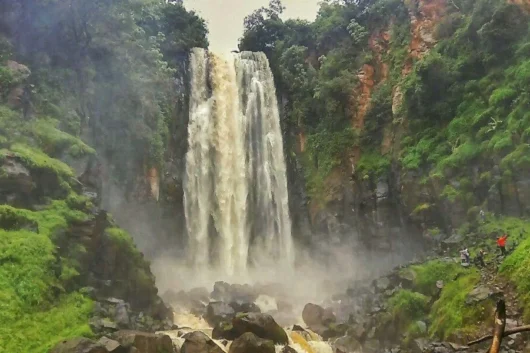
Thomson Falls Nyahururu full day trip tour from Nairobi
Tour Price from $0.00 -
Nairobi Day Excursions | Best Things to Do in Nairobi, Kenya
Mount Longonot Full-Day Hiking Adventure Tour from Nairobi
Tour Price from $0.00 -
Nairobi Day Excursions | Best Things to Do in Nairobi, Kenya
Ngare Ndare Hiking, Birdwatching, Swimming & Canopy Walk Full-Day Tour from Nairobi
Tour Price from $0.00 -
Nairobi Day Excursions | Best Things to Do in Nairobi, Kenya
Kisames Zip Lining and team building tour from Nairobi
Tour Price from $0.00 -
Nairobi Day Excursions | Best Things to Do in Nairobi, Kenya
Kitengela Glass Nairobi Full day tour
Tour Price from $0.00 -
Nairobi Day Excursions | Best Things to Do in Nairobi, Kenya
Lake Naivasha Flower Farms Agricultural tour from Nairobi
Tour Price from $0.00 -
Nairobi Day Excursions | Best Things to Do in Nairobi, Kenya
Hells Gate , Lord Egerton & Olkaria Hot Spar full day tour from Nairobi
Tour Price from $0.00 -
Albania Europe holiday tour packages from Nairobi Kenya
Tailor-made safari holiday
Tour Price from $0.00